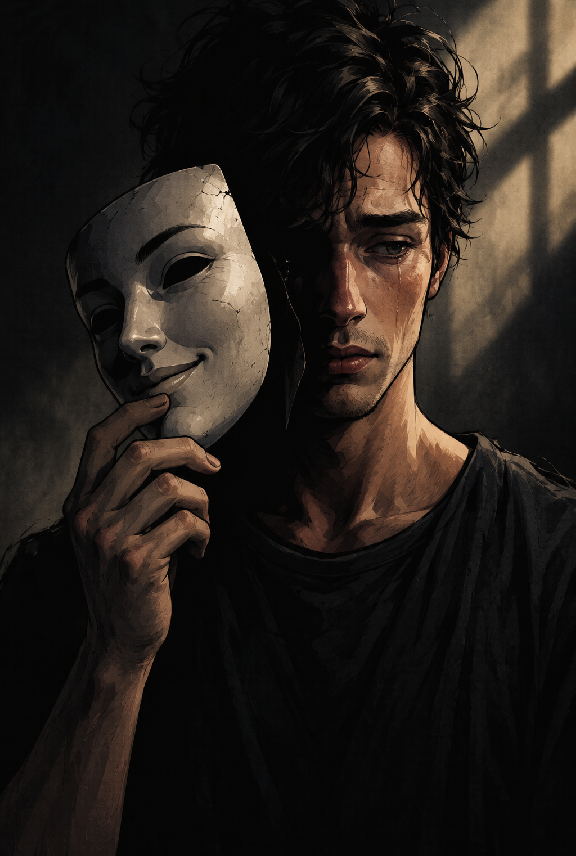
In the world of poetry, we’re often told to “write what we know.” But what happens when we write what we imagine—or better yet, who we imagine? Persona poetry invites us to step outside ourselves and enter the skin, voice, and world of another.
In a persona poem, the poet writes from the perspective of a different character. This could be a historical figure, mythological being, fictional character, anonymous stranger, or even an object. The word persona comes from Latin, meaning “mask” and in this form, poets don the mask of another voice to explore truths they may not access through personal narrative alone.
Why Write Persona Poems?
To explore empathy: Writing from another point of view teaches us to listen and feel beyond our own experience.
To tell untold stories: Persona poetry gives voice to the voiceless, marginalized characters, silent figures in history, or people in transition.
To take creative risks: The form gives poets space to experiment with tone, language, and perspective in surprising ways.
Famous Examples of Persona Poetry
Robert Browning – “My Last Duchess”
This dramatic monologue is spoken by a controlling, possibly murderous nobleman. Browning crafts the speaker’s chilling arrogance through careful detail and subtle revelation.
“That’s my last Duchess painted on the wall,
Looking as if she were alive…”
Ai – “The Kid”
Ai was known for gritty, intense persona poems. In this chilling piece, the speaker is a young boy who has just committed an unthinkable act.
“I’m the kid who fell asleep at the wheel
and killed a man.”
Natasha Trethewey – “Native Guard”
Trethewey speaks in the voice of a Black Union soldier during the Civil War, blending historical fact with poetic meditation on race and erasure.
“Truth be told, I do not want to forget
anything of my former life…”
Carol Ann Duffy – The World’s Wife
This collection reimagines women from myth and history like: Medusa, Mrs. Midas, or the Devil’s wife giving them agency and wit.
Tips for Writing Persona Poems
1. Choose a Voice That Intrigues You
Ask yourself:
Whose story hasn’t been told?
What fictional character fascinates me?
What moment in history could I inhabit?
2. Research If Necessary
If you’re writing about a historical or real-life figure, gather details about their time, voice, and experience. Accuracy shows respect, and sparks creativity.
3. Use First-Person (“I”)
Let the character speak directly. This immediacy helps the reader enter the character’s world with you.
4. Avoid Caricature
Stay honest and nuanced. Even if the speaker is flawed, make them feel human. Avoid reducing them to stereotypes or exaggeration.
5. Let the Voice Shape the Language
Does your speaker use slang? Formal diction? Short, clipped lines? Let their identity influence the rhythm and tone of the poem.
Prompts for Persona Poetry
Prompt 1: The Inanimate Confession
Write a poem from the perspective of an object. perhaps something old and worn, like a violin in an attic or a forgotten letter. What has it seen?
Example opening: “I’ve waited thirty winters in the cedar box…”
Prompt 2: A Historical Monologue
Choose a real figure from history and place them in a private, vulnerable moment. What are they thinking that history never recorded?
Example: Harriet Tubman during one of her journeys.
Galileo under house arrest.
A nurse during the 1918 flu pandemic.
Prompt 3: A Story Retold
Retell a myth or fairy tale from a side character’s view. What would the witch say? The wolf? The prince's forgotten scribe?
“They only ever remember the slipper…” said Cinderella’s stepsister.
Prompt 4: A Life in a Day
Imagine a character on an ordinary day. then let something extraordinary happen. Stay in their voice as they respond.
Final Thought: Empathy in Disguise
Persona poetry is a form of imaginative empathy. It stretches your voice, sharpens your observation, and invites you to feel more deeply. not just as a poet, but as a human being. Whether your persona is ancient or modern, fictional or historical, quiet or furious, give them room to breathe.
“When I write a persona poem, I’m not trying to be someone else.
I’m listening for someone who’s been waiting to speak.”